Home/Specialties/Sports
SPECIALTY / 01

Sports psychology for athletes in Tampa Bay.

Mental performance work for high school, college, and pro athletes across team and individual sports. Drilled, not lectured.

Book a session →

Clinically reviewed by Geoffrey Peal, Psy.D., Licensed Psychologist · Updated October 2026

The Work

What we
actually do.

The athletes we work with already train their body for hours a week. Sport psychology is the same kind of training, for the part of the game between your ears.

That means concrete, repeatable skills: how you walk to the line, what you say to yourself between points, what you do with a bad call, how you recover from a turnover, how you sleep the night before a championship.

At FPA Performance, every athlete works directly with a licensed sports psychologist, in person at our St. Petersburg or Trinity office or by telehealth anywhere in Florida. We see athletes from all over Tampa Bay. When pressure shows up as performance anxiety, the yips, or a confidence slide after an injury, we build a plan for the skill and check whether something clinical is sitting underneath it.

Sports we work with

Basketball, baseball, softball, football, golf, swimming, track and field, distance running, soccer, hockey, volleyball, wrestling, tennis, plus a long tail of others. Our psychologists are active members of the Association for Applied Sport Psychology (AASP).

Who we work with

  • High school athletes - building habits before they’re tested
  • College athletes - managing the academic + athletic load
  • Club and travel-team athletes - handling year-round pressure
  • Coaches and parents - supporting an athlete without making it worse
  • Whole teams - full-team blocks built around your season
The kid with the better mental game wins the close ones.

Want to see how we think about it? The FPA Performance blog covers burnout, perfectionism, the yips, motivation, and more.
Who It’s For

Sound familiar?

Common signs an athlete would benefit from sport psychology work.

SIGN 01

Practice player, game choker

Looks elite in practice. Disappears when the lights come on.

SIGN 02

Spiraling after one mistake

A single error becomes a quarter. A bad inning becomes a bad week.

SIGN 03

Pre-game nerves out of control

Sleep wrecked, stomach in knots, hands shaking warm-ups.

SIGN 04

Lost confidence post-injury

Physically cleared but not playing the same. Hesitation, fear.

SIGN 05

Burned out, hating the sport

Used to love it. Now dreads practice. Considering quitting.

SIGN 06

Friction with coaches or team

Communication, role clarity, the bench, parent-coach dynamics.

The Protocol

Skills with reps.

Every athlete leaves with concrete, drillable skills. No vague self-help, no inspirational quotes.

01
Pre-performance routine

A repeatable sequence - physical and mental - that gets you into the right state before every game, set, or attempt.

02
Attentional control

Train your focus like a muscle. Pick your cue, hold it, recover it when it slips.

03
Self-talk audit

Identify what you actually say to yourself under pressure. Rewrite the lines that cost you points.

04
Imagery & rehearsal

Use mental reps to install the skill, the situation, and the response - before you arrive.

05
Mistake protocol

A 5-second reset for after any miss, error, or bad call. Stops one rep from becoming five.

06
Sleep, recovery, nutrition

The fundamentals nobody trains. We make them part of the plan.

By Sport

Find your game.

Sport-specific protocols for the mental side of your game - high school through college.

Your Psychologists

Who you'll
work with.

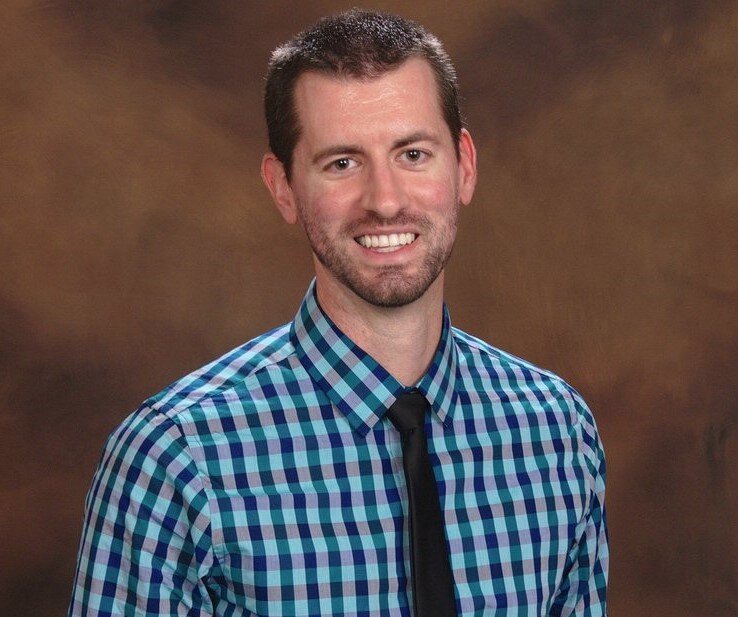
Two licensed psychologists, both active members of the Association for Applied Sport Psychology (AASP).

Dr. Geoffrey Peal, Psy.D., licensed psychologist at FPA Performance in St. Petersburg, Florida

Dr. Geoffrey Peal, Psy.D.

Licensed Psychologist · Co-Founder
AGES 12+AASP MEMBERCOMPETITIVE GAMING

Featured on ABC Action News and 10 WTSP Tampa Bay discussing mental health and pressure in Olympic competition. More than twenty years as a competitive gamer, so he bridges traditional sport and esports.

HockeyBasketballFootballVolleyballWrestlingGolfDistance Runninge-Sports
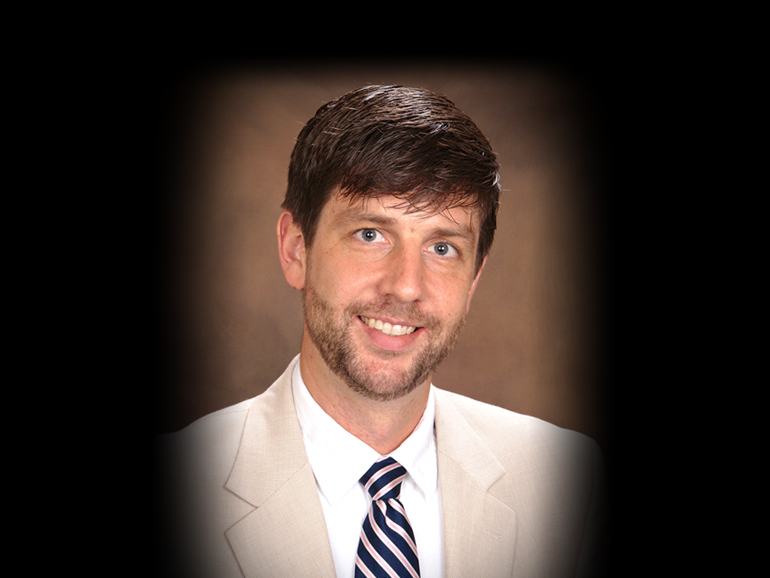
Dr. Ben Snyder, licensed psychologist and ultrarunner at FPA Performance

Dr. Ben Snyder

Licensed Psychologist · Co-Founder
AGES 12+AASP MEMBERULTRA RUNNER

An ultrarunner himself. Featured on the Florida Trailrunners Podcast (Episode 65) talking ultra running and sports psychology. Specializes in distance sports, ball sports, and performing arts.

BasketballBaseballFootballGolfSwimmingDistance RunningSoccer
Licensed vs. Coached

Sports psychologist
vs. mental
performance coach.

Both a sports psychologist and a mental performance coach teach mental skills: routines, focus, self-talk, imagery, and how to reset after a mistake. The difference shows up when the problem is bigger than a skill gap.

A licensed psychologist can also assess and treat clinical issues that show up in athletes: anxiety, depression, disordered eating, fear after an injury, and adjustment problems after a cut, a transfer, or a season-ending loss. The work is confidential under the professional and ethical standards that govern licensed psychologists.

Most important, we know when a performance problem is really a clinical one. An athlete who freezes in big moments may need a better routine, or may be having panic attacks. We can tell the difference, and we can treat what we find.

Cost and insurance

Performance work is fee-for-service. Sometimes an athlete also meets criteria for a diagnosable condition, such as an adjustment disorder after an injury, a cut, a transfer, or a season-ending loss, or anxiety or depression. When that happens, the focus can shift from performance improvement to insurance-based therapy if it is clinically appropriate. We'll talk through your options before the first session.

Where We Work

St. Pete. Trinity.
All of Florida.

In person at either office, or telehealth for athletes anywhere in Florida.

OFFICE 01 - MAIN
St. Petersburg
Family Psychology Associates
5628 Central Ave
St. Petersburg, FL 33707
(727) 900-7014
OFFICE 02 - TRINITY
Trinity
Family Psychology Associates · Trinity
10751 Maple Creek Drive
Trinity Professional Place, Bldg. 8, Suite 101
Trinity, FL 34655
(727) 203-3770
Common Questions

FAQ.

Sessions are confidential and tailored to the sport, level, and athlete. Most work begins with a 50-minute consult.

No. We work with athletes age 12 and up. For younger athletes, parent involvement is built into the early sessions.
Only if you want them to. Sessions are confidential. Many athletes share progress with their coach; others prefer not to. Your call.
Yes. We run team blocks - typically 4-8 sessions across a season - covering team-wide skills (comms, role clarity, momentum management) plus individual checkpoints.
Not at all. We work with rec-league players who just want to enjoy the game again as well as Division I recruits.
Skill-building takes reps. Most athletes notice meaningful change in 4-8 sessions. Pre-season blocks are a great window.
A sports psychologist helps athletes build mental skills that hold up under pressure: pre-performance routines, focus, self-talk, imagery, and a reset after mistakes. As licensed psychologists, we can also assess and treat anxiety, depression, and other clinical concerns when they are part of the picture.
Both teach mental skills. A licensed psychologist can also assess and treat clinical issues like anxiety, depression, or fear after an injury, and works under professional confidentiality standards. See the full comparison above.
Performance work is fee-for-service. If an athlete also meets criteria for a diagnosable condition, such as an adjustment disorder after an injury, a cut, a transfer, or a season-ending loss, or anxiety or depression, the focus can shift to insurance-based therapy when clinically appropriate. Reach out and we'll walk through your options.
Yes. Secure video sessions are available for athletes anywhere in Florida. In-person sessions run from our St. Petersburg and Trinity offices.
St. Petersburg: 5628 Central Ave, St. Petersburg, FL 33707, (727) 900-7014. Trinity: 10751 Maple Creek Drive, Trinity Professional Place, Bldg. 8, Suite 101, Trinity, FL 34655, (727) 203-3770. Both are open Monday through Thursday 9am to 7pm and Friday 9am to 5pm.
From the Blog

Keep reading.

More from our psychologists on the mental side of sport. See all posts.

Why Waste My Time on Sports Psychology? I Need to Practice! Burnout: A Common Issue Within Athletics Getting Over the Yips: How to Effectively Manage Performance Anxiety in Your Golf Game
Related

Other arenas.

>> NOW BOOKING - MON-FRI

Train the mind.
Win the moment.

Book your first session →
Book Appointment