Home/Specialties/Public Speaking
SPECIALTY / 05

Public speaking anxiety & glossophobia.

Fear of public speaking therapy for the keynote, the pitch, the classroom, the wedding toast. Calm head, clear voice, every time.

Book a session →

Clinically reviewed by Geoffrey Peal, Psy.D., Licensed Psychologist · Updated October 2026

The Work

What we
actually do.

You know the content. You’ve rehearsed it. And the moment you step in front of the room, your brain goes somewhere else. Public speaking anxiety is one of the most common - and most fixable - performance issues we treat.

Glossophobia is the clinical name for the fear of public speaking, and it ranges from ordinary nerves to the kind of dread that makes people turn down promotions. We work with students, founders, executives, attorneys, educators, and anyone who has to stand up and speak, in person in St. Petersburg and Trinity or by telehealth anywhere in Florida. The work is concrete: physical regulation, attentional control, structured prep, and a mistake protocol so a single stumble doesn't derail the whole thing.

Who we work with

  • Students preparing for presentations, defenses, and debates
  • Founders and executives pitching, keynoting, or appearing on panels
  • Attorneys preparing for oral argument or trial
  • Educators, clergy, public officials, and broadcasters
  • Anyone with a wedding toast that’s keeping them up at night
The goal isn’t no nerves. It’s a body that knows what to do with them.
Who It’s For

Sound familiar?

Common signs that public speaking work would help.

SIGN 01

Voice goes thin or shaky

You can hear the tremble. You hate that you can hear it. It snowballs.

SIGN 02

Mind goes blank

You knew this material cold. Now you can’t find the next sentence.

SIGN 03

Avoiding opportunities

Turning down keynotes, dodging meetings, ducking the panel invite.

SIGN 04

Reading the room as hostile

Every neutral face looks judgmental. Every yawn means you’re bombing.

SIGN 05

Over-preparation

Twenty hours of slide tweaks for a ten-minute talk. Still doesn’t feel ready.

SIGN 06

Replay loop afterward

Cataloging every imperfect moment for days afterward.

The Protocol

Clear head.
Clear voice.

A practical playbook you can use the next time you walk on stage - or open Zoom.

01
Body-first regulation

Specific breathwork and posture cues that drop arousal fast - and work even when you can’t leave the lectern.

02
Pre-talk routine

A repeatable ritual for the 30 minutes before you go on. Lands you on stage in the right state every time.

03
Attentional anchors

Where to put your eyes, your focus, and your voice - so nerves don’t hijack any of them.

04
Stumble recovery

A 2-second protocol for when you lose your place or flub a line. Stops one stumble from becoming five.

05
Q&A pressure

Handling tough questions, hostile questioners, and the silence after a wrong answer.

06
Career-arc strategy

Choosing which speaking opportunities to take, which to skip, and how to build a track record.

The Treatment

Glossophobia
treatment
that works.

Glossophobia treatment at FPA Performance is built on cognitive-behavioral therapy, the best-studied approach for social and performance anxiety. In practice that means three things.

  • Body regulation, so a shaky voice or a racing heart doesn't run the show
  • Thought work on the predictions that drive the fear: that people will notice, judge, and remember every stumble
  • Graded exposure, speaking in progressively harder situations, starting where you are and moving up only when the previous level is stable

Sometimes the fear is narrow: one keynote, one thesis defense. Sometimes it's part of broader social anxiety that shapes meetings, interviews, and phone calls. We figure out which it is early, because the plan is different. For background, read our post on fear of public speaking and performance.

Speaking coach or therapy?

Speaking coaches work on content, structure, and delivery. Fear of public speaking therapy works on the anxiety that keeps a well-prepared speaker from delivering. If you need both, they pair well. Leaders who present often may also want our executive coaching, and if your nerves show up in other arenas too, see performance anxiety therapy.

Cost and insurance

Public speaking work is fee-for-service. Sometimes a client also meets criteria for a diagnosable condition, such as social anxiety disorder, another anxiety disorder, or depression. When that happens, the focus can shift from performance improvement to insurance-based therapy if it is clinically appropriate. We'll talk through your options before the first session.

Your Psychologists

Who you'll
work with.

Two licensed psychologists, both active members of the Association for Applied Sport Psychology (AASP).

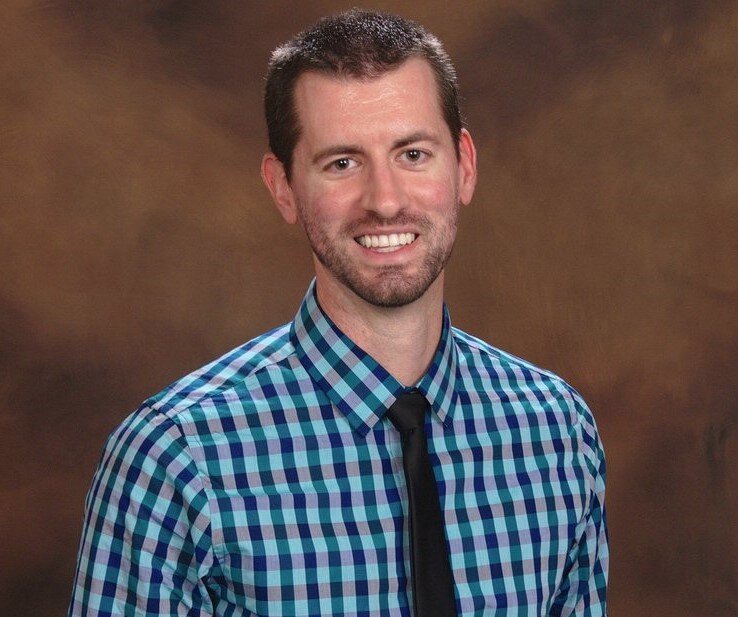
Dr. Ben Snyder, licensed psychologist and ultrarunner at FPA Performance

Dr. Ben Snyder

Licensed Psychologist · Co-Founder
AGES 12+AASP MEMBERULTRA RUNNER

His specialties include communication: public speaking, presentations, and classroom delivery, along with the performing arts. His clients range from students to working professionals presenting on the biggest stages of their careers.
Public SpeakingPresentationsClassroom DeliveryTheaterMusic
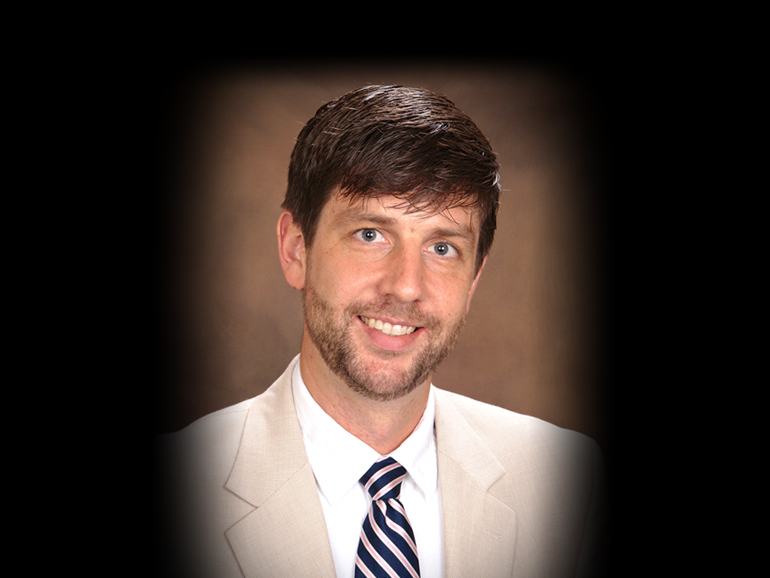
Dr. Geoffrey Peal, Psy.D., licensed psychologist at FPA Performance in St. Petersburg, Florida

Dr. Geoffrey Peal, Psy.D.

Licensed Psychologist · Co-Founder
AGES 12+AASP MEMBERCOMPETITIVE GAMING

Doctoral clinical training included rotations at the University of Miami Anxiety Research and Treatment Center, using cognitive-behavioral protocols for anxiety and panic. Featured on ABC Action News and 10 WTSP Tampa Bay.

Performance AnxietyPanicPresentationse-SportsGolf
Where We Work

St. Pete. Trinity.
All of Florida.

In person at either office, or telehealth for clients anywhere in Florida.

OFFICE 01 - MAIN
St. Petersburg
Family Psychology Associates
5628 Central Ave
St. Petersburg, FL 33707
(727) 900-7014
OFFICE 02 - TRINITY
Trinity
Family Psychology Associates · Trinity
10751 Maple Creek Drive
Trinity Professional Place, Bldg. 8, Suite 101
Trinity, FL 34655
(727) 203-3770
Common Questions

FAQ.

Often 4-6 focused sessions before a specific event. Longer engagements for executives building a long-term speaking practice.

Glossophobia is the fear of public speaking. It ranges from ordinary nerves to intense anxiety that leads people to avoid presentations, meetings, or jobs that involve speaking.
Yes. Cognitive-behavioral therapy with graded exposure is the best-studied approach for public speaking anxiety. Most people work on body regulation, the thoughts that drive the fear, and practice speaking in progressively harder situations.
Often yes. Short-cycle work is built around your specific event: diagnose, install one or two protocols, rehearse, deliver.
Classic. Scale of audience changes the stress response. We treat that specifically.
Some structured exposure is part of the work, but it's graded, starting where you are and moving up only when the previous level is stable.
Performance work is fee-for-service. If you also meet criteria for a diagnosable condition, such as social anxiety disorder, the focus can shift to insurance-based therapy when clinically appropriate.
Yes. Telehealth is available anywhere in Florida, and online sessions let us record and review your delivery together, which speeds things up.
Related

Other arenas.

>> NOW BOOKING - MON-FRI

Train the mind.
Win the moment.

Book your first session →
Book Appointment