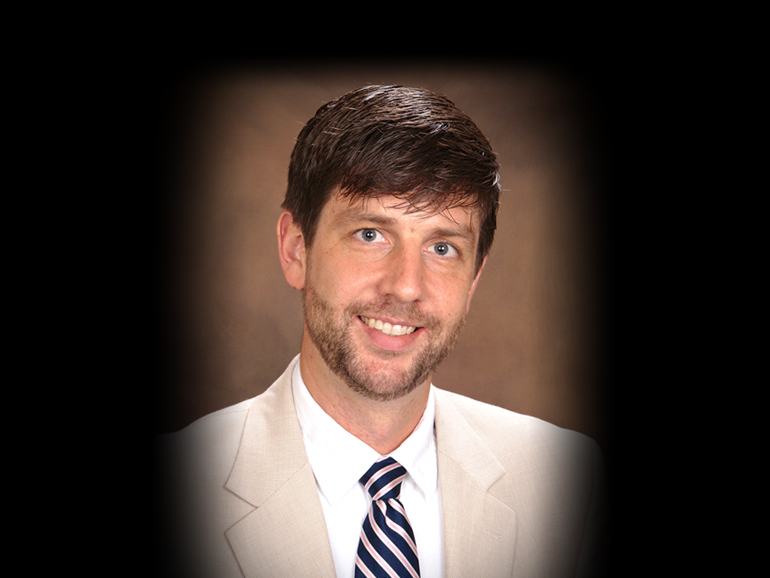
Dr. Geoffrey Peal, Psy.D.
Leads our esports work. More than twenty years as a competitive gamer, and featured on ABC Action News and 10 WTSP Tampa Bay discussing mental health and pressure in Olympic competition.
A licensed psychologist for tilt, ranked anxiety, comms, and tournament prep. Not another esports coach. We treat your headset like a piece of equipment.
Clinically reviewed by Geoffrey Peal, Psy.D., Licensed Psychologist · Updated October 2026
Esports is a sport. Same focus demands, same comms requirements, same stress response - at a higher rep rate than almost any other competitive arena. And yet most competitive players have never trained their mind.
Working with an esports therapist at FPA Performance means working with a licensed psychologist who actually plays. Dr. Geoff Peal has more than twenty years as a competitive gamer across Overwatch, Counter-Strike, Valorant, League of Legends, and other titles, and was featured on 10 WTSP Tampa Bay and ABC Action News talking about the pressure Olympic athletes face. Sessions start from game knowledge, not from explaining what a clutch round is.
We see players in person at our St. Petersburg and Trinity offices in Tampa Bay, and by telehealth anywhere in Florida. Want the research side first? Read our post on psychological skills training for esports.
Valorant, CS:GO / CS2, Overwatch / OW2, League of Legends, Apex, Rocket League, fighting games, Smash, and anything else you compete in. If you’re queuing for ranked, scrimming a team, grinding pro-am, or running events - we work with you.
You can have the better mechanics and lose the round because of the mental.
Common signs a competitive player would benefit from sport psychology work.
One bad round becomes five. You can’t stop queueing even when you should.
Your stomach drops on the queue pop. You play tense from round one.
You blow up at your team. Or shut down. Either way, the round suffers.
Crushing scrims, choking the stage match. Different brain, different player.
Playing for chat instead of for the round. Performance suffers, anxiety climbs.
You used to love queueing. Now it’s a chore. Hours up, joy down.
Sport psychology skills, adapted to the actual demands of competitive gaming.
A repeatable sequence before queue/scrim - physical state, headset setup, mental cue. Resets your baseline.
15-second protocol between rounds or games to drop tilt, reset focus, and re-enter the round clean.
What you say, how you say it, when to mute. Practiced like any other team skill.
Watch your own play with a psychologist - what was your headspace, not just your aim?
When to keep queueing. When to log. How to come back without losing rank you didn’t need to lose.
The athlete fundamentals you skipped because you don’t feel like an athlete. You are one.
An esports coach and an esports psychologist are not competing for the same job. Good esports coaching handles the game. We handle the player running it.
That last one matters. When gaming starts crowding out sleep, school, relationships, or mood, it can be a clinical concern rather than a performance one. As licensed psychologists we can assess it, and when anxiety, depression, ADHD, or problematic gaming is part of the picture, we can treat it directly. A coach can't, and shouldn't try.
Plenty of players use both: a coach for the game and a psychologist for the mental side. The two work well together, the same way they do in traditional sports psychology.
Esports performance work is fee-for-service. Sometimes a player also meets criteria for a diagnosable condition, such as anxiety, depression, or an adjustment disorder after a roster cut, a team breakup, or another loss. When that happens, the focus can shift from performance improvement to insurance-based therapy if it is clinically appropriate. We'll talk through your options before the first session.
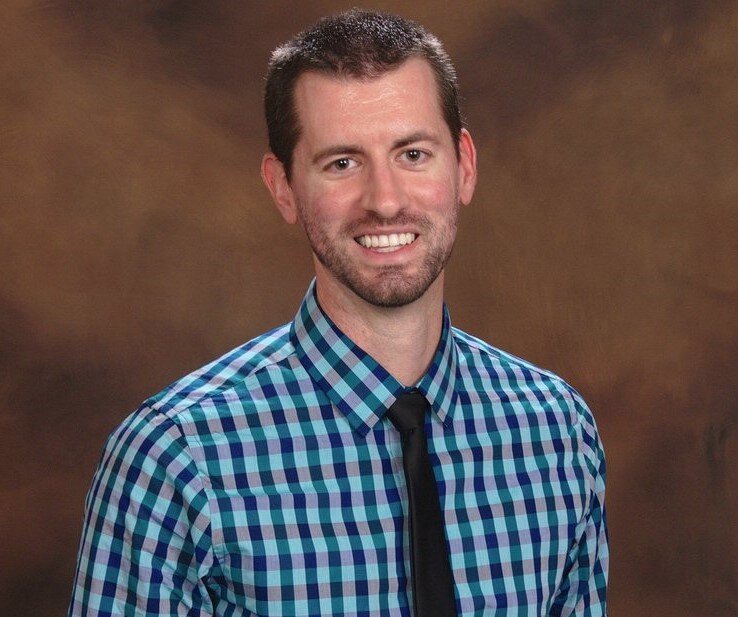
Two licensed psychologists, both active members of the Association for Applied Sport Psychology (AASP). Dr. Peal leads esports.
Leads our esports work. More than twenty years as a competitive gamer, and featured on ABC Action News and 10 WTSP Tampa Bay discussing mental health and pressure in Olympic competition.
Licensed psychologist and co-founder of FPA Performance. Works across sport, competitive gaming, and the performing arts. Featured on the Florida Trailrunners Podcast (Episode 65).
If your teen wants to compete seriously, you probably have two questions at once: is this a real path, and is the gaming itself a problem? We help families answer both without turning the house into a battleground.
For clients under 18, some parent involvement is normal. Often it's a relief: someone who understands the games can explain to parents what their teen does, and why it matters. We work with players 12 and up, and we explain confidentiality for minors up front so everyone knows what is shared and what isn't.
Ready to talk it through? Contact our St. Petersburg or Trinity office to set up a first session.
In person at either office, or telehealth for players anywhere in Florida. Most esports clients choose video.
Sessions are virtual-friendly (we know, you live there). 50-minute consults, individual or team, by telehealth anywhere in Florida.