>> ABC ACTION NEWS · TAMPA BAY 28
Mental health in Olympic competition
Dr. Peal joins ABC Action News to discuss mental health and the pressure athletes face when competing on the Olympic stage.
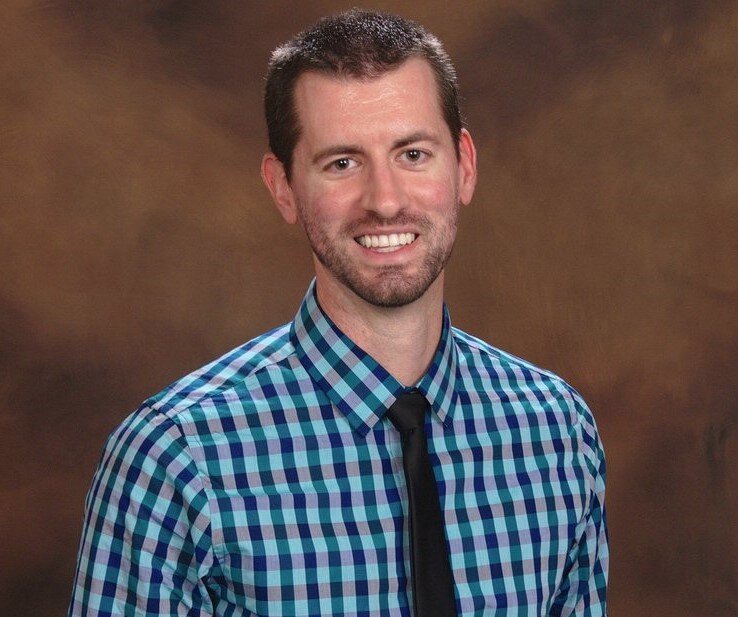
Watch on YouTube →Navigating the demands of modern competition is rarely just physical. Dr. Geoffrey Peal, Psy.D. is a licensed clinical psychologist who co-founded FPA Performance with Dr. Ben Snyder in 2014. He is also a co-owner of Family Psychology Associates, the St. Petersburg group practice that FPA Performance is part of. He works with athletes, esports competitors, performers, and high-pressure professionals on the mental side of performance, drawing on more than a decade of evidence-based clinical training and a lifetime of competitive experience across traditional sport and competitive gaming.
Dr. Peal earned his undergraduate degree at the University of Michigan and his doctorate (Psy.D.) in clinical psychology at Nova Southeastern University. His doctoral training included specialized rotations at the University of Miami Anxiety Research and Treatment Center, where he used cognitive-behavioral protocols to treat anxiety, panic, and obsessive-compulsive symptoms, and at the University of Miami Autism-Spectrum Assessment Clinic, where he evaluated children and adults across the spectrum. That dual background matters in the room: when an athlete’s performance anxiety turns out to be a clinical anxiety disorder, or when a young esports player’s tilt is actually undiagnosed ADHD or autism, he can recognize it and treat it directly rather than refer out.
Dr. Peal is a member of the Association for Applied Sport Psychology (AASP). His clinical practice integrates cognitive-behavioral, attachment-based, and interpersonal interventions. He brings the same evidence-based posture to sports psychology and performance work: protocols, not pep talks.
Dr. Peal has worked with athletes across many performance arenas. His traditional-sport focus includes hockey, basketball, football, volleyball, wrestling, golf, lacrosse, distance running, ice skating, gymnastics, sailing, and professional shooting, from high school competitors through college athletes and adult amateur and recreational players. He treats the specific mental problems athletes actually have: confidence loss after injury, pre-game anxiety, choking on big moments, the yips, post-loss spirals, and burnout.
His own training is hands-on. Dr. Peal runs and weight trains seriously, and that lived discipline shapes how he talks about mental skills. Physical health and mental performance are not separate systems, and he is comfortable working with athletes on the full picture rather than carving out the headspace as if it lived independent of the body.
Dr. Peal is one of the very few doctoral-licensed clinical psychologists in the United States who is also a serious competitive gamer. He has more than twenty years at the keyboard across Overwatch, Counter-Strike (CS:GO), Valorant, League of Legends, and other titles, and brings that lived experience to esports clients who are tired of being lectured by people who have never queued for a ranked match. His esports work covers ranked anxiety, tilt recovery, team communication under pressure, stage choke at LAN events, gaming-related burnout, and the family conversations that come up when a teen or young adult is pursuing competitive gaming seriously.
The combination is rare. Most “esports coaches” are unlicensed and cannot treat clinical anxiety or depression when those show up alongside performance concerns. Dr. Peal can.
Outside the practice, Dr. Peal is a long-time international traveler. From the precision of Tokyo to the rhythm of Buenos Aires, he has spent years studying languages and cultures around the world. He has watched an esports tournament inside a packed Seoul arena and a Premier League match on the terraces in London, seeing first-hand how crowd noise, comms, and pre-whistle routines translate across cultures. The travel is not a hobby footnote, it is connected to the work. Learning a new language under stress, or finding your footing in a culture that does not run on your assumptions, follows the same neural mechanics as learning any high-stakes skill: deliberate practice, useful failure, and a protocol for managing the stress response when the stakes climb.
When he is not in session or planning the next trip, he runs, lifts, follows the Tampa Bay Buccaneers and his alma mater the Michigan Wolverines, and keeps up with the NBA, MLB, and NHL.
Dr. Peal serves as Chief Technology Officer of Family Psychology Associates, where he leads the practice’s telehealth infrastructure, clinical software, and digital strategy across 20+ licensed clinicians. He is also responsible for the practice’s web presence and content across the entire organization, from this site through patient-facing materials. He is involved in hiring, training, and clinical supervision, and is committed to making evidence-based mental health care more accessible through secure telehealth and emerging digital tools.
He leads our esports psychology work and sees athletes through our sports psychology and performance anxiety programs. Sport pages he works across include basketball, football, volleyball, wrestling, and golf.
Dr. Peal favors a structured, skill-building approach. We identify the moment of breakdown, a missed crucial shot, a tilt spiral after losing round one, a freeze on a 5v5 mid-round read, and build a protocol around it that is specific to that game, position, and team context.
Whether it is a power play or a clutch round, the brain does not care. It needs reps.
Individual consultation sessions, approximately 50 minutes. Ages 12 and up. In-person at our St. Petersburg or Trinity office, or via secure video telehealth anywhere in Florida. Available Monday through Thursday 9am to 7pm, and Friday 9am to 5pm.
Dr. Peal on Tampa Bay television, talking about mental health and pressure in Olympic competition, plus a look at Quiet Eye in golf.
Dr. Peal joins ABC Action News to discuss mental health and the pressure athletes face when competing on the Olympic stage.
Watch on YouTube →Dr. Peal talks with 10 Tampa Bay about the pressure Olympic athletes are under and what it means for their mental health.
Watch on YouTube →Dr. Peal explains Quiet Eye, the slowing of eye movements and precise visual focus seen in elite athletes, then tries mindfulness and relaxation strategies during a round of mini golf.
Watch on YouTube →Dr. Peal writes on motivation, free throws, and mental skills for esports athletes. See all posts.