Dr. Ben Snyder
Specializes in distance sports, ball sports, and performing arts, including theater, music, and recital and audition prep. An ultrarunner himself, featured on the Florida Trailrunners Podcast (Episode 65).
Mental performance work for musicians, vocalists, actors, and dancers: auditions, juries, recitals, opening night, and everything between.
Clinically reviewed by Geoffrey Peal, Psy.D., Licensed Psychologist · Updated October 2026
You spend hours alone with the instrument or the script. Then someone hands you a hundred faces and one shot. The mental gap between practice room and stage is huge - and it’s trainable.
FPA Performance treats music performance anxiety and stage fright with the same protocols we use in sport: pre-performance routine, attentional control, mistake recovery, and post-show review, translated to the stage. We work with performers across theater, classical music, jazz, contemporary music, vocal performance, and dance, in person in St. Petersburg and Trinity or by telehealth anywhere in Florida.
Music students often come in with a date on the calendar: a college audition, an end-of-semester jury, a senior recital, an honor ensemble seat. We build the plan backward from that date, so the routine is rehearsed well before the day instead of improvised in the hallway. Working performers get the same approach for auditions, opening nights, and recording sessions. If the spoken part is what gets you, like an interview or introducing your piece, our public speaking anxiety work covers that too. When you have a date in mind, book a first session at least a few weeks out.
You can’t practice your way around stage fright. You have to train it.
Common signs a performer would benefit from this work.
You nail it alone. The moment someone listens, the wheels come off.
You can’t recover from a flub - it derails everything that follows.
Sleep wrecked, hands cold, dry mouth, can’t hear the count.
Replaying every flaw for days. Can’t enjoy what went well.
The rejection grind has worn you down. You don’t want to step into the room anymore.
When the gig goes badly, so does your sense of self. Time to separate them.
Performance psychology adapted to the stage.
A 10-15 minute ritual that gets your body and mind into the right state for the downbeat.
What to do in the half-second after a slip so the next phrase lands clean.
Where to put your focus mid-performance - and how to recover it when nerves pull it away.
Mental reps of the actual room, the walk-in, the panel, the first sound - installed before the day.
A structured way to debrief without spiraling. What worked, what to drill, what to drop.
Separating your worth from your last performance. Vital for a long career.
Stage fright is the body's threat response firing in a situation that isn't dangerous. Your brain reads an audience, a panel, or a jury as a threat and releases adrenaline. Heart rate jumps, breathing gets shallow, and blood moves toward the large muscles. That's why the classic symptoms show up: shaking hands, a tight throat, dry mouth, cold fingers, a racing heart, and sometimes a mind that goes blank.
For musicians, those symptoms hit exactly the systems you need. A bow arm shakes. Breath support thins out. Fine motor control in the fingers gets less precise. Performance anxiety in musicians shows up at every level, from first recitals to professional stages, and it says nothing about talent.
When stage fright includes panic attacks, avoiding performing altogether, or anxiety that spills into the rest of life, it may be a clinical anxiety disorder. As licensed psychologists we can assess and treat that directly; see our performance anxiety therapy page. If medication becomes part of the conversation, we coordinate with your physician. For more on the mindset side, read perfectionism and performance.
Performance work for musicians and stage performers is fee-for-service. Sometimes a performer also meets criteria for a diagnosable condition, such as an anxiety disorder, depression, or an adjustment disorder after a lost seat, a rejection, an injury, or another loss. When that happens, the focus can shift from performance improvement to insurance-based therapy if it is clinically appropriate. We'll talk through your options before the first session.
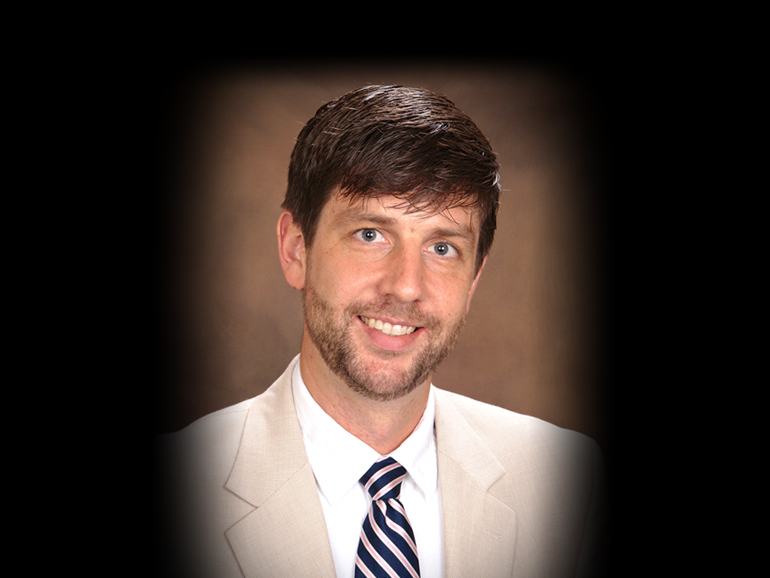
Two licensed psychologists, both active members of the Association for Applied Sport Psychology (AASP). Dr. Snyder leads our performing arts work.
Specializes in distance sports, ball sports, and performing arts, including theater, music, and recital and audition prep. An ultrarunner himself, featured on the Florida Trailrunners Podcast (Episode 65).
Doctoral clinical training included rotations at the University of Miami Anxiety Research and Treatment Center. Featured on ABC Action News and 10 WTSP Tampa Bay discussing mental health and pressure in Olympic competition.
In person at either office, or telehealth for performers anywhere in Florida.
Sessions in person at St. Petersburg or Trinity, or via secure video anywhere in Florida.